
You’re fifteen minutes into a brutal metcon, sweat dripping, lungs burning, and suddenly your coach changes the song to something you actively hate. Your jaw clenches. Your focus shatters. That tiny shift just hijacked your entire training session — and if you’re honest, it happens not just in the gym.
Someone cuts you off in traffic on the way to pick up the kids, or a headwind kicks up halfway through a bike ride you’d been looking forward to all week, and suddenly the whole day feels ruined.
We’ve all been there on some level — letting minor inconveniences derail our day, our training, or our mood.
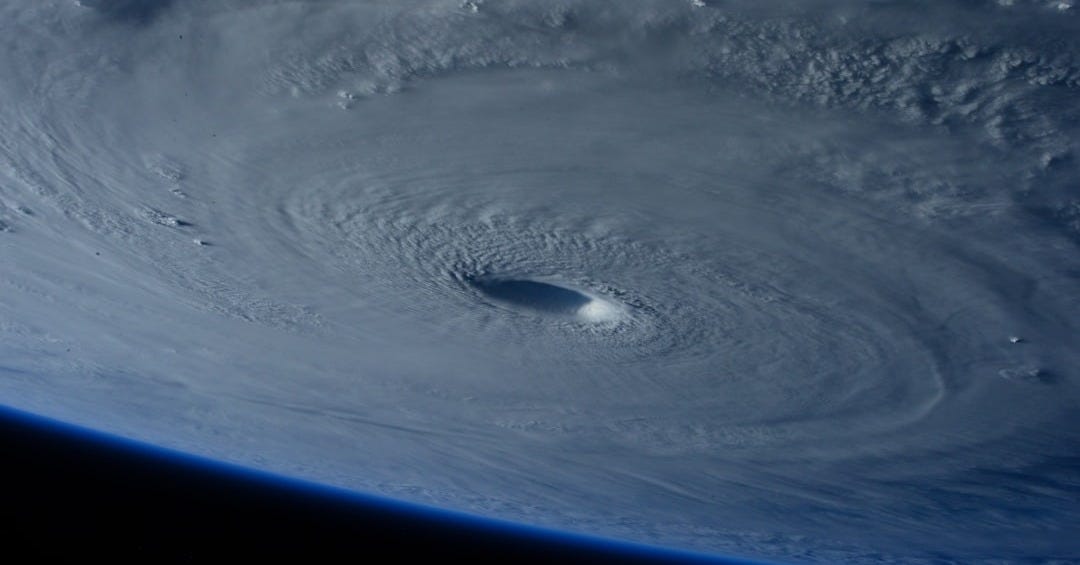
But what if there’s a way to categorize your complaints like meteorologists categorize storms? What if you could learn to distinguish between a light drizzle and a category 5 hurricane in your daily frustrations?
The Storm Scale
Not all problems are created equal, yet we often respond to them as if they are.
A messy beach after a storm rolls through is not the same as a parent recovering from surgery. A 25-mile-an-hour headwind on a bike ride is not the same as losing your job. One deserves a shrug and maybe a quick reframe; the other deserves your full attention and care.
The problem is our brains don’t automatically make these distinctions. We react to minor inconveniences — in the gym, in traffic, at home — with the same emotional intensity we’d reserve for genuine emergencies.
This emotional mismanagement doesn’t just ruin individual workouts or afternoons — it creates a pattern of negativity that follows you from the gym to the car to the dinner table.
When everything feels like a big deal, nothing actually gets the attention it deserves. You’ll waste energy fuming about equipment placement or a canceled plan, while missing the moments that call for real presence, gratitude, or action.
The Five Categories of Complaints
Think of complaints like weather patterns.
Category 1 complaints are basically a light rain — annoying but temporary and largely out of your control. Someone cutting you off in traffic on the way to the gym? Category 1. The air conditioning being off on a warm afternoon? Category 1. Your favorite song getting swapped mid-set, a slow line at the coffee shop, a text that takes forever to get a reply to — all Category 1.
These moments call for a deep breath, maybe a quick reframe, and moving on.
Category 2 and 3 complaints represent moderate storms that might require some preparation or adjustment, but they’re still manageable. Maybe your favorite class got canceled, or the gym is unusually crowded during your usual class time. A flight delay reshuffles your whole travel day. A work project runs a week longer than you planned.
These situations might call for a backup plan or minor schedule adjustment, but they shouldn’t derail your entire week.
Category 4 complaints are serious storms that demand attention and action. A recurring injury that’s affecting your training, ongoing conflict with coaching staff, or equipment safety issues. A strained relationship that keeps resurfacing. A financial setback that forces you to rework the budget.
These require thoughtful response and potentially significant changes to your routine.
Category 5 complaints are the hurricanes — genuine emergencies that affect you or your loved ones directly. A serious injury, family crisis, or major life change. A sudden job loss that upends your family’s plans. A parent’s health taking a turn for the worse.
These are the only complaints that justify letting everything else take a backseat while you navigate the storm.
Nobody drifts on purpose, just like nobody chases excellence by accident.
That’s why we built the ChaseTracker app. A simple system to identify, track, and chase what matters in just a few minutes a day.
Training Your Complaint Radar
Here’s your new training protocol: Before you voice any complaint, pause and categorize it. Ask yourself honestly: “Is this a drizzle or a hurricane?”
Most of what bothers us falls into categories 1 and 2. The music being too loud in the restaurant. Someone not re-racking weights properly in the gym. The bathroom being out of paper towels. These are drizzles masquerading as storms in our minds.
When you catch yourself getting worked up over a category 1 issue, practice the immediate reframe. Instead of “This music is terrible,” try “At least the food is good, and the company is great.” Instead of “This person doesn’t care about anything but themselves,” try “Good thing there’s plenty of space to use.”
We don’t want to suppress legitimate concerns or emotions; we just simply want to learn how to respond proportionally. We want to save our energy and emotional bandwidth for the storms that matter.
The Gratitude Buffer
One thing we’ve learned over the years is that the strongest athletes aren’t just physically resilient — they’re mentally weather-proof. They’ve built what we call a “gratitude buffer” that helps them maintain perspective even when things go sideways.
The same practice works everywhere else in life, too. Start each day — or each moment that matters, whether that’s a workout, a work meeting, or dinner with your family — by acknowledging one thing you’re grateful for about being there. Your body’s ability to move. The people around you. The simple fact that you have time to dedicate to what matters most.
This buffer makes category 1 complaints bounce right off you, whether you’re stuck in a slow checkout line or sitting in traffic.
When you surround yourself with people who share this perspective — who can appreciate a good day without finding reasons to complain — you create an environment, at home or at work, where everyone shows up better.
Positivity is contagious, but so is chronic complaining.
Your New Weather Report
If it’s not a genuine hurricane in your life, treat it like weather — temporary, largely uncontrollable, and not worth wasting precious training energy over.
The next time something small threatens to throw off your session, pause and ask: “Category 1 or Category 5?” Then respond accordingly.
Your training, your mindset, and everyone around you will all benefit.
I love that, and it's really helpful. Thank you so much ☺️
Especially at work, I feel that when category 2-3 problems start to happen too frequently I tend to assume them as category 4 instead, and they end up consuming extra energy and patience. Great reminder for us to pause and categorize each new problem regardless of what we are already bearing. Tks Patrick! 👏